Medically reviewed by the clinical team at Kapoor's Safe Hands Dental
When severe tooth wear or complex bite issues set in, treating teeth one by one is rarely enough. A Full Mouth Rehabilitation (FMR) rebuilds the entire bite, restoring both how the teeth function together and how the smile looks. Here is a look inside a recent comprehensive FMR case and how custom treatment planning transformed a patient’s quality of life.
Key takeaways
- Full mouth rehabilitation rebuilds how your teeth, gums and jaw work together, not just how they look.
- Treatment is phased, so you keep eating and speaking with temporary teeth while final ones are made.
- A digital plan and a trial bite let you test comfort and appearance before anything is final.
- A night guard and regular check-ups protect the result, especially if grinding caused the damage.
- Most plans run over several visits across a few months, depending on how much needs doing.
The Patient's Story & Initial Challenge
Our patient presented with extensive enamel erosion, worn down teeth, and persistent jaw fatigue while chewing. Years of grinding (bruxism) and acid exposure had significantly reduced the vertical dimension of occlusion (VDO), meaning their bite had effectively collapsed, causing a shortened facial profile and sensitive teeth.
Initial Findings:
- Severe anterior and posterior tooth wear
- Loss of vertical height in the bite
- Joint discomfort (TMJ strain) during prolonged chewing
- Aesthetic concerns due to shortened, dark tinted teeth
- Multiple missing teeth present
Phase 1: Diagnostic Planning & Digital Design
Successful FMR depends heavily on the diagnostic phase. Rather than jumping straight to tooth preparation, we started with a complete digital workflow:
- CBCT & Intraoral Scanning: High resolution 3D images provided a detailed map of bone density, roots, and joint positioning.
- Smile Design & Diagnostic Wax Up: We digitally sculpted the patient's ideal tooth shapes, length, and bite alignment.
- Joint Position Mapping: We determined the most comfortable joint position (centric relation) to ensure long term stability.
Phase 2: Testing the New Bite (Provisional Phase)
Before placing permanent materials, it is vital to let the jaw adapt to the restored bite height.
We placed high strength provisional restorations designed from our digital wax up. Over a 12 week trial period, the patient tested the new bite for:
- Speech clarity (checking for lisps or phonetic issues)
- Chewing efficiency and joint comfort
- Facial aesthetics and smile proportions
Phase 3: Delivering the Final Restorations
Once the patient was completely comfortable and happy with the design, we transitioned to the final materials:
- Upper Arch: Precision milled lithium disilicate crowns and veneers for optimal light transmission and natural aesthetics.
- Lower Posterior Arch: High translucency monolithic zirconia crowns for superior strength under heavy chewing forces.
Every crown was individually seated and micro adjusted to ensure perfectly distributed contacts across all teeth.
Results & Patient Reflection
- Pain Free Function: Restoring the proper height relieved stress on the temporomandibular joint.
- Enhanced Aesthetics: A brighter, fuller smile restored natural facial proportions.
- Long Term Protection: Durable ceramic materials now shield the natural tooth structure from future wear.
Patient's Words
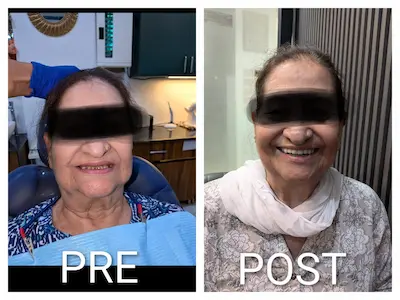
I didn't realize how much discomfort I was living with daily until my bite was restored. I can chew comfortably and smile without second guessing.
Signs Your Teeth May Need More Than Piecemeal Treatment
- Your teeth look shorter, flatter or more worn than they used to
- You often break or chip teeth, fillings or crowns
- You have missing or failing teeth in several parts of your mouth
- Your jaw clicks, aches or feels tired, especially in the morning
- Your bite feels uneven, or certain teeth take all the pressure
Questions to Ask Before You Begin
- What is causing the problem, and what happens if I do nothing?
- Can I see the planned result before treatment starts?
- Will I have temporary teeth, and for how long?
- How many visits should I expect, and over what period?
- How will you protect the results once treatment ends?
Daily Life During and After Treatment
Because treatment is phased, you keep eating and speaking normally with temporary restorations while the final ones are made. Expect an adjustment period after each stage as your bite settles. Once everything is complete, a night guard and regular check-ups help protect the work, especially if grinding was part of the original problem.
Why Piecemeal Dentistry Can Fall Short
Fixing one tooth at a time can work when the problem is limited. When teeth are worn, missing or failing across the mouth, the underlying cause is usually the bite, and treating each tooth in isolation tends to lead to more breakages and repeat visits. A full plan looks at how every tooth meets its partner, how the jaw moves and how the gums are supporting everything, then rebuilds it in the right order.
The Phases at a Glance
| Phase | What happens | Why it matters |
|---|---|---|
| 1. Diagnosis and planning | Examination, X-rays or scans, photos, bite records and a digital design | Everyone agrees the goal before treatment starts |
| 2. Health first | Cleaning, gum treatment, fillings, root canals or extractions where needed | Restorations last longer on healthy teeth and gums |
| 3. Trial phase | Temporary restorations to test the new bite and appearance | You can feel and see the result before it's final |
| 4. Final restorations | Crowns, bridges, veneers, implants or dentures | A stable, natural-looking result |
| 5. Protection | Night guard if needed and regular reviews | Keeps the work lasting |
Who Is on the Treatment Team?
Complex cases benefit from more than one skill set. Our team includes a cosmetic dentist, a prosthodontist and implant specialist, an endodontist and an oral and maxillofacial surgery specialist, so different stages of your plan can be handled by the person best suited to them. You can read more about each dentist on our team page.
Full Mouth Rehabilitation in Sushant Lok, Gurgaon
If you're considering treatment, the first step is an assessment. We'll examine your teeth, gums and bite, explain what's happening and lay out what a plan could involve. There's no obligation to go ahead. Our clinic is opposite ROF Portico Mall in Sushant Lok Phase 1, and you can read more about how treatment works on our full mouth rehabilitation page.
Planning, Time and Budget
Because every mouth is different, we don't quote a standard package. After your examination you'll get a clear plan that sets out each stage, the order it will happen in and the likely timeline. Many patients choose to spread treatment over several months so that the work fits their schedule and budget, and we're happy to plan around that. If cost is a concern, tell us early, so the plan can be phased sensibly without cutting corners on the parts that matter most for stability.
Interested in Comprehensive Dental Care?
Whether you are dealing with severe tooth wear, broken restorations, or chronic jaw discomfort, a full mouth rehabilitation can restore your smile's strength and beauty. Contact Kapoor's Safe Hands today to schedule a comprehensive diagnostic consultation in Gurugram.
Book a Consultation